
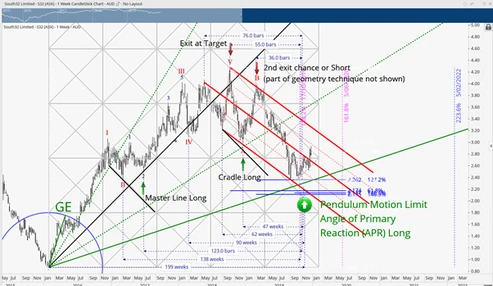
Alexander Straker – Pendulum Motion (eBook)
$6,500.00 Original price was: $6,500.00.$149.00Current price is: $149.00.
- 24/7 Contact Support & Telegram - Ecomkevin_1
- You Can Request Any Courses
- Original Courses HD Qualite and links updated
Guaranteed Safe Checkout


Alexander Straker – Pendulum Motion (eBook) Review: Is It Worth It?
If you have been chasing a consistent, repeatable golf swing, chances are you have encountered dozens of complex swing theories. From stack-and-tilt mechanics to complex ground-force analytics, modern golf instruction can easily lead to overthinking, tension, and frustrating inconsistency on the course.
Enter the instructional guide Alexander Straker – Pendulum Motion (eBook). Built around the fundamental concept of fluid rhythm, natural physics, and simplified body motion, this digital release promises to strip away unnecessary technical clutter. Instead, it guides golfers toward a swing that feels as natural and automatic as a ticking pendulum.
In this comprehensive review, we break down everything you need to know about the eBook—what it covers, who it is designed for, its key strengths, and whether it deserves a spot in your digital training library.
What Is the Core Concept Behind the Pendulum Motion Method?
At its heart, this instructional material focuses on returning golf to its fundamental mechanical origin: a continuous pendulum stroke. Many golfers struggle because they attempt to control every micro-movement during their backswing and downswing. This micromanagement creates muscle tension, destroys tempo, and leads to unpredictable ball striking.
Alexander Straker approaches the golf swing from a perspective of natural biomechanics. The core philosophy rests on a few key pillars:
-
Rhythm Over Force: Power is generated through timing, leverage, and centered rotation rather than raw muscular exertion.
-
Simplified Motion: By visualising the clubhead as the weight at the end of a pendulum, the body naturally aligns to support a repeatable arc.
-
Elimination of Tension: Freeing the wrists, shoulders, and arms from rigid control allows gravity and momentum to handle the heavy lifting.
Instead of asking players to memorise precise positions at P1, P2, or P3, the guide focuses on feel, timing, and structural efficiency.
Deep Dive into the eBook’s Core Content
The eBook is structured logically, taking readers from foundational principles to on-course application. Here is a breakdown of what you will discover as you read through its chapters.
1. Fundamentals and Setup Alignment
Before addressing the swing itself, Straker emphasizes setup geometry. A pendulum requires a stable anchor point to swing freely. The guide details how proper posture, stance width, and grip pressure create the foundation for an uninhibited swing path.
2. Understanding the Arc and Momentum
A key section of the book explains how momentum works in a proper golf swing. Straker illustrates how attempting to “hit” the ball disrupts the natural pendulum arc, whereas swinging through the ball allows momentum to maintain clubhead speed effortlessly.
3. Synchronising Body Movement with the Swing
One common concern with pendulum-based swing guides is whether they oversimplify leg and hip action. The eBook addresses this by explaining how rotation of the torso and transfer of weight naturally support the swinging movement of the arms without requiring forced, unnatural lower-body mechanics.
4. Drills and Practicable Exercises
Theory alone rarely lowers a handicap. The release includes a series of practical drills designed for both indoor practice and range sessions. These drills use minimal equipment and focus on building muscle memory through felt sensations rather than technical checklists.
Key Benefits of Applying This System
Golfers who transition away from heavy mechanics toward a pendulum-style swing often report several distinct advantages:
-
Improved Consistency: Fewer moving parts mean fewer points of failure under pressure.
-
Effortless Distance: By maximizing efficiency and leverage, golfers often gain clubhead speed with less physical exertion.
-
Better Distance Control: A predictable tempo directly translates to better distance control, especially with irons and short-game shots.
-
Reduced Injury Risk: A fluid, natural motion places significantly less stress on the lower back, elbows, and lead wrist compared to aggressive, high-torque swing models.
Who Will Benefit Most From Reading It?
While the principles in Alexander Straker – Pendulum Motion (eBook) are universal, certain types of golfers will gain the most value from this guide:
Mid-to-High Handicappers Overwhelmed by Mechanics
If you suffer from “paralysis by analysis” after watching endless swing tips online, this guide offers a refreshing reset. It replaces dozens of competing swing thoughts with a single, unified mental model.
Senior Golfers and Players Seeking Low-Impact Swings
Golfers looking to preserve their joints and maintain distance without straining their bodies will appreciate the emphasis on leverage, timing, and momentum over raw physical power.
Self-Taught Players Needing Structure
If you have developed a functional swing but struggle with erratic shots due to poor tempo, the drills in this eBook offer a clear path toward repeatable rhythm.
Potential Drawbacks to Consider
To provide a complete and honest assessment, it is worth noting a few areas where some readers might find limitations:
-
Format Preference: As a purely digital text, golfers who prefer video-heavy step-by-step instruction will need to rely on the detailed diagrams and written descriptions provided.
-
Requires Patience: Unlearning years of forced, tense swing habits takes time. Transitioning to a true pendulum feel requires trusting the process through dedicated practice.
-
Not a Quick Fix for Severe Swing Flaws: If your swing suffers from extreme swing-path issues or severe grip flaws, you will still need to address those basic setup errors before the pendulum motion can function properly.
How It Compares to Traditional Golf Instruction
Traditional instruction often focuses on position-based coaching—making sure the club face is open or closed by specific degrees at specific points in the backswing. While effective for elite athletes with hours to practice daily, this method often fails amateur golfers.
| Feature | Traditional Swing Instruction | Pendulum Motion Approach |
|---|---|---|
| Primary Focus | Static positions and body angles | Rhythm, tempo, and momentum |
| Mental Load | High (multiple swing thoughts) | Low (single feeling/concept) |
| Physical Strain | High (focused on torque and speed) | Low (focused on leverage) |
| Learning Curve | Long and technical | Intuitive and rapid |
The guide bridges the gap between feeling the swing and understanding the basic physics behind why a relaxed, rhythmic swing produces better results than a forced one.
Practical Tips for Getting the Most Out of the Guide
If you decide to add this eBook to your training collection, keep these practical tips in mind to maximize your results:
-
Start with Partial Swings: Begin practicing the pendulum feel with half-swings using a wedge or short iron. Master the rhythm before applying full speed with your driver.
-
Focus on Grip Pressure: Keep your hands and arms relaxed. Tension in your wrists acts like a brake on a pendulum, destroying momentum.
-
Use a Metronome App: To reinforce tempo, pair the concepts in the book with a simple tempo or metronome app during range practice.
-
Revisit the Drills Regularly: Treat the foundational drills as your regular warm-up routine to keep bad habits from creeping back into your game.
Final Verdict: Is it Recommended?
For any golfer looking to simplify their approach, eliminate swing tension, and build a smooth, repeatable motion, Alexander Straker – Pendulum Motion (eBook) provides clear, highly digestible instruction.
It does not clutter your mind with unnecessary jargon or biomechanical formulas. Instead, it offers a grounded, intuitive framework that helps you work with the club rather than fighting against it. If you are ready to drop the heavy technical mental load and enjoy a more relaxed, consistent game on the course, this eBook is a valuable and practical guide well worth reading.
